Reasonable price and portion. Staffs speak Thai and interior design is friendly. Don't know why but their lunch felt too full for me until late night on that day Only paypay and cash is acceptable. No credit card payment is available
Overview
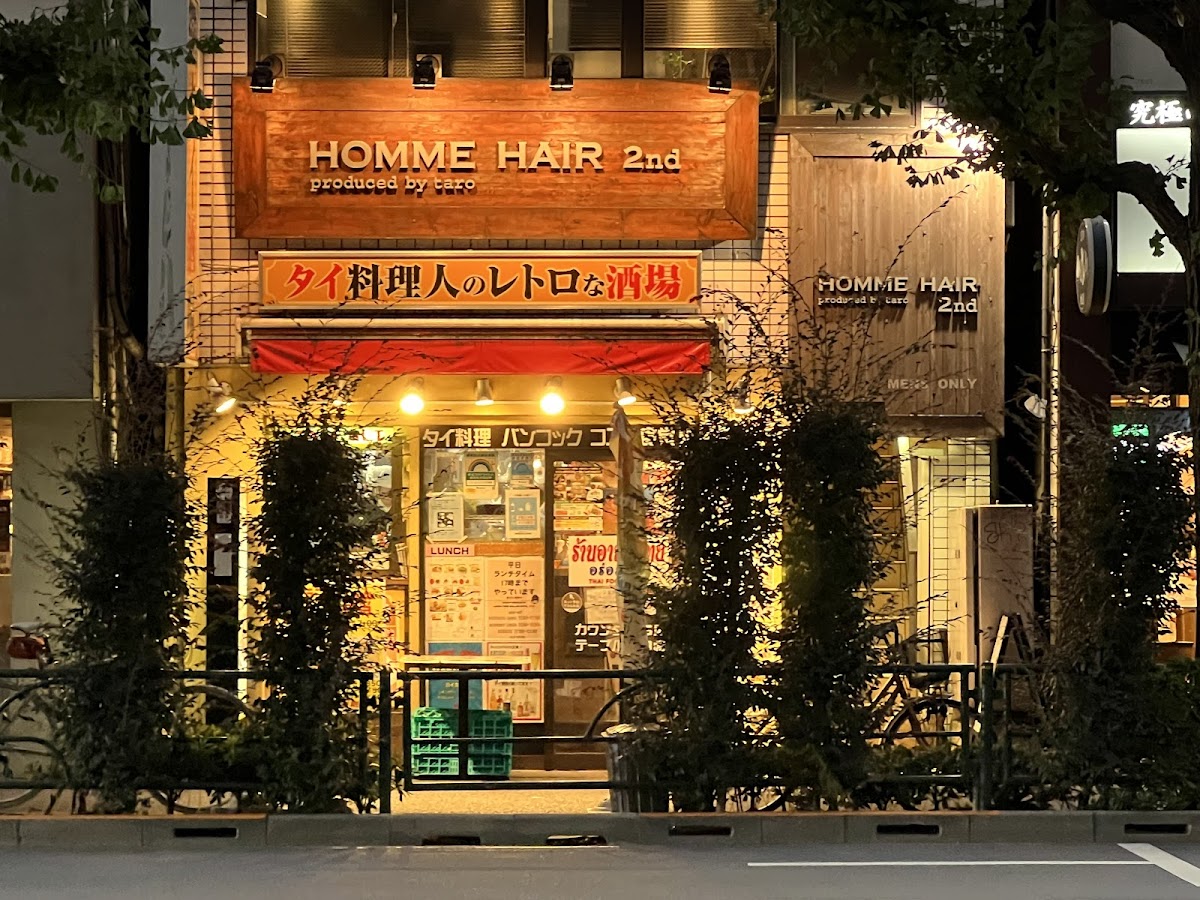
Tucked into the academic calm of Nishikanda, Bangkok Cosmo Restaurant sits at 2 Chome-1-13 Nishikanda, Chiyoda City, Tokyo 101-0065, Japan, and it feels like a little portal to Thailand that locals quietly treasure. The first time I walked in after a late afternoon meeting nearby, the air carried that unmistakable mix of garlic, basil, and fish sauce. It’s the kind of smell that tells you the kitchen is actually cooking, not reheating.
What stands out immediately is how the menu balances comfort and confidence. Instead of overwhelming diners with dozens of unfamiliar options, it focuses on well-loved Thai dishes done properly. Think street-style pad kra pao with a crisp-edged fried egg, green curry that leans herbal rather than sweet, and tom yum that hits sour, spicy, and savory in quick succession. I’ve eaten Thai food across Tokyo and in Bangkok itself, and this kitchen follows a clear process: aromatics first, proteins cooked hot and fast, sauces added late to keep flavors bright. That attention shows up on the plate.
From a professional standpoint, chefs who respect timing and ingredient order tend to deliver more consistent results. Culinary researchers often point out that Thai cuisine relies on balancing the four core tastes-salty, sweet, sour, and spicy-rather than emphasizing just heat. The World Food Culture Association frequently highlights Thai food as a model of flavor balance, and that philosophy is easy to taste here. Even when the spice level is adjusted for Tokyo diners, the structure of the dish remains intact.
One server once explained how the kitchen sources Thai basil and bird’s eye chilies several times a week to avoid wilted herbs. That lines up with standards promoted by the Thai government’s Thai Select program, which certifies restaurants abroad that maintain ingredient quality and traditional methods. While Bangkok Cosmo Restaurant doesn’t loudly advertise certifications on the wall, the approach feels aligned with those guidelines. Fresh herbs, proper pastes, and made-to-order cooking matter more than décor.
Reviews from regulars often mention reliability, which is a big deal in a neighborhood filled with office workers and students. Lunchtime crowds move quickly, yet dishes don’t feel rushed. During one visit, I watched a cook remake a curry because the coconut milk had reduced too far. That kind of decision costs time but protects flavor, and it’s something seasoned professionals recognize as a mark of pride.
The location also works in its favor. Nishikanda doesn’t have the tourist traffic of Shibuya or Asakusa, so this place survives on repeat customers rather than hype. That explains why portions are generous without being sloppy and prices stay reasonable. For diners who care about value, this balance matters more than trendiness.
Of course, no restaurant is perfect. The dining room is compact, and at peak hours you might wait a bit longer than expected. Some menu descriptions are brief, which could challenge first-timers unfamiliar with Thai food. Still, servers are usually happy to explain dishes or suggest something close to what you like, whether that’s noodle-based, rice-focused, or curry-heavy.
Over time, Bangkok Cosmo Restaurant has earned trust by doing the basics well and respecting the cuisine it represents. It doesn’t chase novelty; it refines what works. For anyone browsing restaurant reviews, checking menus, or scouting dependable locations for Thai food in central Tokyo, this spot consistently proves that careful cooking and honest flavors never go out of style.
Good to know
Service options
✓ Delivery ✓ Takeaway ✓ Dine-inPopular for
✓ Lunch ✓ Dinner ✓ Solo diningAccessibility
✓ Wheelchair-accessible car park ✓ Wheelchair-accessible entrance ✓ Wheelchair-accessible seatingOfferings
✓ Alcohol ✓ Beer ✓ Small platesDining options
✓ Lunch ✓ Dinner ✓ Table serviceAmenities
✓ ToiletAtmosphere
✓ Casual ✓ CosyCrowd
✓ Groups ✓ University studentsPlanning
✓ Accepts reservationsPayments
✓ Credit cards ✓ PayPayPhotos
1 / 4
Location
Reviews
- No ratings yet 296 reviews
The menu has a few authentic Thai food items that I never had before, so that was nice. Some dishes are extremely spicy, but most, less (luckily for me). Only one waitress, so she is very busy during dinners.
Nice little Thai place. Good portion of food. The workers speak Thai and are really nice. They give you an option to buy a "mini-side dish" so you can try the different foods. Great place to check out if you're in the area. I especially love the old school Thai posters and items, it adds to the experience.
Reasonable and delicious Thai food. There are plenty of small tables for one or two so perfect to grab a quick lunch. The staffs are Thai and they are all so nice and friendly.
Incredible Thai food, so tasty and the service was fast. Will definitely recommend this place.
A wonderful experience! I accidentally found the place and went there for dinner. However, the food was delicious with considerable portions. The seafood dish was so flavorful with a rich taste. I would love to visit again soon.
Probably the best thai I've had in Tokyo so far. Large portions and friendly service. Some thai places I've been to here can't get the right blend of spices but these guys nail it.